Expert Gardeners Reveal: Finding Your Deepest Garden Passion
For many, a garden is more than just a patch of land; it's a canvas, a sanctuary, a laboratory, or even a lifeline. The act of gardening taps into something primal within us, connecting us to the earth and the cycle of life. But what truly fuels this enduring fascination? What is the secret ingredient behind the sustained devotion that transforms casual interest into a lifelong passion? This is the essence of the garden reveal – uncovering not just the beauty of a landscape, but the profound, often personal, reasons why we garden.
Expert gardeners, those whose hands are perpetually stained with soil and whose minds teem with horticultural wisdom, offer a unique perspective. They remind us that the journey into gardening is deeply individual, shaped by experiences, aspirations, and an evolving connection with the natural world. Their insights, often distilled through decades of observation and cultivation, illuminate the diverse impulses that drive us to dig, plant, prune, and nurture.
The Core Question: Why Do You Garden?
This deceptively simple question lies at the heart of every gardener's journey. It was the central inquiry posed by editor Thomas C. Cooper in his acclaimed 2012 anthology, The Roots of My Obsession: Thirty Great Gardeners Reveal Why They Garden. Cooper invited prominent gardeners and horticultural writers to reflect on their unique origins and the enduring reasons for their passion, uncovering a rich tapestry of motivations as varied as the plants they cultivate.
The contributors to Cooper's collection, including renowned figures like Doug Tallamy, Rosalind Creasy, Ken Druse, and Amy Stewart, revealed a spectrum of profound impulses:
- Aesthetic Beauty and Artistic Expression: For many, gardening is a creative outlet, a living canvas where they compose with color, form, and texture, striving to achieve harmony and visual delight. It's about crafting beauty that evolves with the seasons.
- Environmental Stewardship: A powerful driver for some is the desire to heal the earth, grow sustainably, and foster connections with local wildlife. Creating biodiverse habitats, supporting pollinators, and nurturing native plants becomes a mission. Doug Tallamy, a notable voice in this area, frequently highlights the ecological importance of our home gardens.
- Nourishment and Self-Sufficiency: The satisfaction of growing one's own food, from a simple victory garden to an abundant orchard, remains a fundamental and deeply rewarding motivation. There's an unmatched joy in eating produce harvested directly from your own soil.
- Connection and Legacy: Gardens often serve as bridges to the past, connecting us to family traditions or historical horticultural practices. They can also be a way to leave a living legacy for future generations.
- Mindfulness and Presence: In a fast-paced world, the garden offers a sanctuary for quiet contemplation. The rhythmic tasks of planting, weeding, and observing promote a sense of calm, focus, and a deep appreciation for the present moment.
- Challenge and Learning: For the intellectually curious, gardening presents an endless series of puzzles and learning opportunities – understanding plant biology, soil science, pest management, and landscape design. It's a continuous journey of discovery.
These motivations are rarely singular; they often intertwine and evolve, shaping a gardener's unique path. To explore more about these diverse impulses, check out our article: What Drives Gardeners? Unveiling 30 Unique Passions.
From Utility to Art: The Evolving Landscape of Passion
One of the most compelling insights from expert gardeners is that passion isn't static; it's a living thing that grows and changes, much like the gardens themselves. Thomas C. Cooper, for instance, shared his own evolution. Growing up, his father’s "victory garden" approach instilled a practical, utility-driven view of gardening, focused on growing food and self-sufficiency. His early inspiration came from television gardener James Underwood Crockett's The Victory Garden, reinforcing this functional perspective.
However, over time, Cooper's interests broadened. He developed a more artistic and holistic view, integrating ornamental plants, landscape design, and personal expression into his gardening philosophy. This journey from necessity-driven cultivation to a more aesthetically and ecologically conscious pursuit is a common narrative among many gardeners.
Your own gardening passion might follow a similar trajectory. Perhaps you started with a few pots of herbs, driven by the simple desire for fresh flavors. This initial success might have sparked an interest in growing vegetables, then led to an appreciation for the beauty of flowers, and eventually, a deep dive into native plants to support local ecosystems. Each stage reveals new layers of engagement and understanding.
Practical Tip: Reflect on Your Garden's Evolution
Take a moment to consider your own gardening history. What first drew you in? What challenges have you overcome? How have your priorities shifted? Understanding this personal evolution can help you lean into your current deepest passions and guide your future gardening endeavors. Don't be afraid to let your garden, and your reasons for tending it, transform over time. For more on this dynamic journey, read: From Utility to Art: The Evolving Reasons We Garden.
Beyond the Obvious: Uncovering "Garden Reveal" in Design
While a garden reveal is undeniably about personal introspection, the concept also extends to the physical design of a garden itself. Expert landscape designers often employ principles of "conceal and reveal" to create spaces that are dynamic, engaging, and full of delightful surprises. This design philosophy is about crafting an experience of discovery, leading the visitor (or the gardener) through a series of unfolding moments.
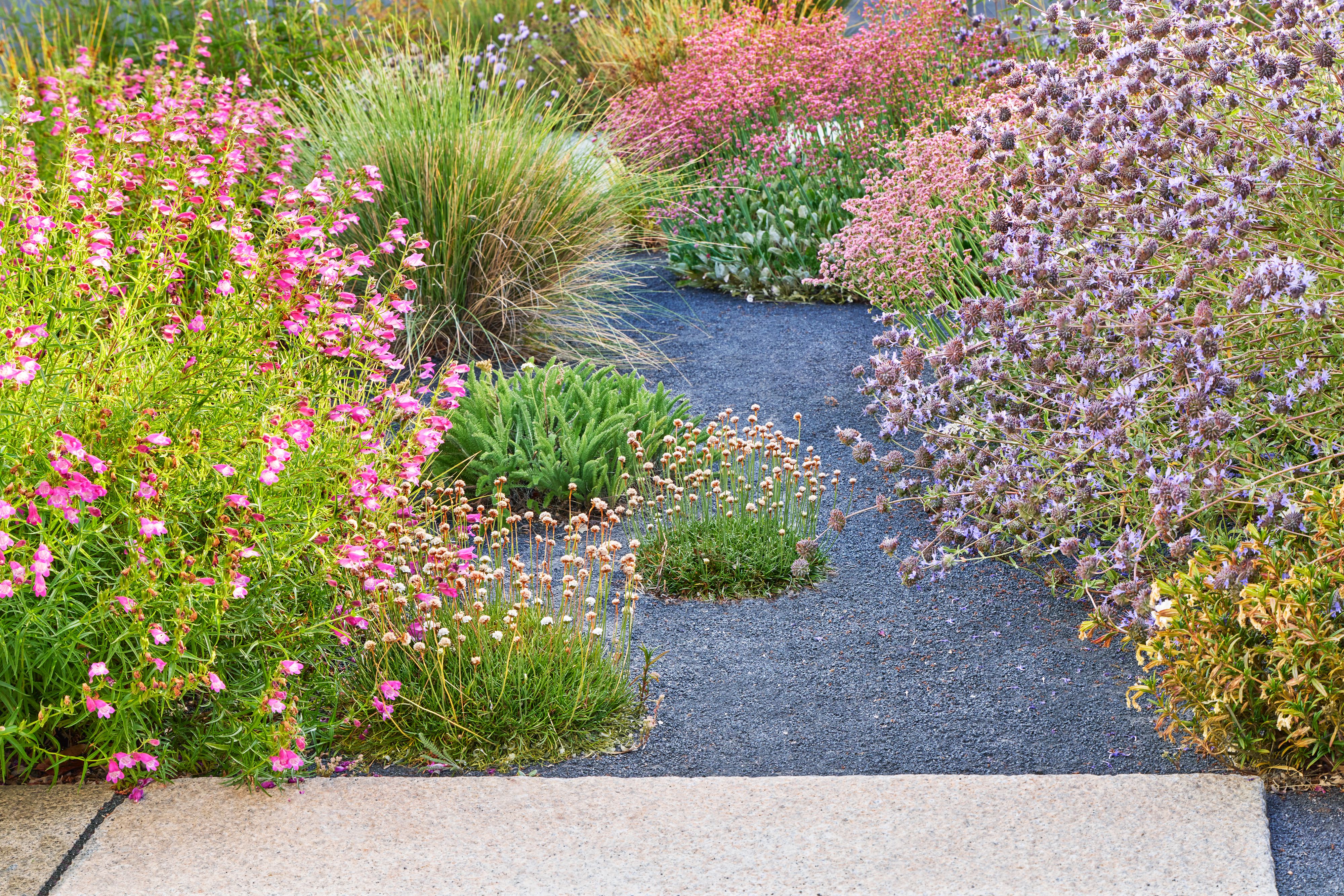
Imagine a winding path that disappears around a cluster of tall shrubs, only to reveal a hidden bench overlooking a tranquil pond. Or a dense planting that slowly opens up to expose a striking architectural feature or a vibrant splash of seasonal color. These intentional design choices elevate a garden from a mere collection of plants to a captivating journey. Key elements of "reveal" in design include:
- Curiosity-Driven Pathways: Paths that aren't straight or fully visible immediately entice exploration, encouraging visitors to wonder what lies beyond the bend.
- Strategic Plant Placement: Using taller plants to screen views, creating "rooms" within the garden, or layering plantings to allow for seasonal unveilings of new blooms or textures.
- Focal Points and Vistas: Carefully positioning a sculpture, a water feature, or a particularly stunning plant so that it's gradually revealed as one moves through the space.
- Seasonal Surprises: Designing for year-round interest ensures that different aspects of the garden are "revealed" with each changing season, keeping the experience fresh and exciting.
This artful concealment and revelation not only creates visual interest but also deepens the emotional connection to the garden. The joy of discovery, the anticipation of what's around the corner, and the satisfaction of uncovering a new perspective can significantly enhance one's passion for their outdoor space.
Cultivating Your Own Deepest Passion
Finding your deepest garden passion is an ongoing process of self-discovery and connection with your environment. It’s about being present, observing, experimenting, and allowing your interests to evolve. Here are some ways to cultivate and deepen your unique gardening journey:
- Observe and Reflect: Pay attention to what aspects of gardening bring you the most joy. Is it the scent of blooming roses, the crunch of fresh lettuce, the buzzing of bees around your lavender, or the quiet contemplation of a newly sprouted seed? Keep a garden journal to track your observations and feelings.
- Embrace Experimentation: Don't be afraid to try new plants, techniques, or design ideas. Some will fail, but many will lead to exciting discoveries and a deeper understanding of what works for you and your space.
- Connect with Others: Join local garden clubs, visit open gardens, or engage in online communities. Sharing experiences, learning from others, and discussing challenges can be incredibly inspiring and affirming.
- Educate Yourself: Read books, attend workshops, or watch documentaries. The more you learn about horticulture, ecology, and design, the more tools you'll have to realize your garden dreams and understand the impact of your actions.
- Allow for Evolution: Your garden, and your passion for it, is a living entity. It will change with you. Be open to new ideas, new challenges, and new reasons to step outside and get your hands dirty.
Ultimately, there is no single "right" way to garden, just as there is no universal path to passion. The beauty lies in the individual exploration and the continuous garden reveal of what truly inspires and fulfills you. Whether you're driven by the desire for bounty, beauty, biodiversity, or simply a quiet moment of peace, your garden is a reflection of your unique spirit.
Conclusion
The journey of gardening is a perpetual garden reveal, an unfolding discovery of both the natural world and our own inner landscape. As expert gardeners so eloquently demonstrate, the motivations for cultivating the earth are profoundly personal, evolving from practical necessity to artistic expression, ecological stewardship, and spiritual solace. By embracing the question "Why do I garden?" and allowing ourselves to explore the "conceal and reveal" principles in our own designs, we can unearth deeper connections and continually rekindle the flames of our gardening passion. So, step into your garden with an open heart and a curious mind, and let its secrets, and your own, be revealed.
