From Necessity to Nurturing: The Early Roots of Gardening
For centuries, the act of gardening has been intrinsically linked with survival. Our ancestors tilled the soil out of sheer necessity, planting crops to feed their families and sustain their communities. This primal connection to the earth, driven by the need for sustenance, represents the foundational layer of why we garden. Even in modern times, this utility-driven approach remains a powerful motivator for many, embodying the spirit of self-sufficiency and a direct connection to our food sources.
Consider the personal journey of Thomas C. Cooper, a distinguished figure in gardening journalism and the editor of the acclaimed anthology, The Roots of My Obsession: Thirty Great Gardeners Reveal Why They Garden. Cooper's early experiences were deeply rooted in this practical tradition. He grew up in a household where gardening was a pragmatic endeavor, heavily influenced by his father's "victory garden" approach during a time when growing one's own food was a patriotic and essential act. This foundation was further cemented by television gardener James Underwood Crockett, whose public television program The Victory Garden offered early inspiration for hands-on vegetable cultivation, emphasizing utility and direct output over purely ornamental concerns.
For many, the initial allure of gardening begins here: the simple, profound satisfaction of pulling a fresh carrot from the earth or picking a sun-ripened tomato. It's a tangible reward, a practical skill, and a quiet act of rebellion against the industrialized food system. This utilitarian impulse is the bedrock upon which more complex and artistic gardening motivations are often built, providing a grounding experience before the broader spectrum of possibilities truly begins to garden reveal itself.
Beyond the Harvest: The Aesthetic and Artistic Garden Reveal
While the utility of growing food remains a cornerstone, the reasons we garden have profoundly evolved. Over time, for many, the spade and trowel became tools not just for survival, but for artistic expression. Cooper himself experienced this evolution, moving beyond a purely practical focus to embrace a more holistic view that integrated ornamental plants, landscape design, and personal expression. This shift marks a significant turning point, transforming gardening from a chore into a creative pursuit, where the garden becomes a living canvas.
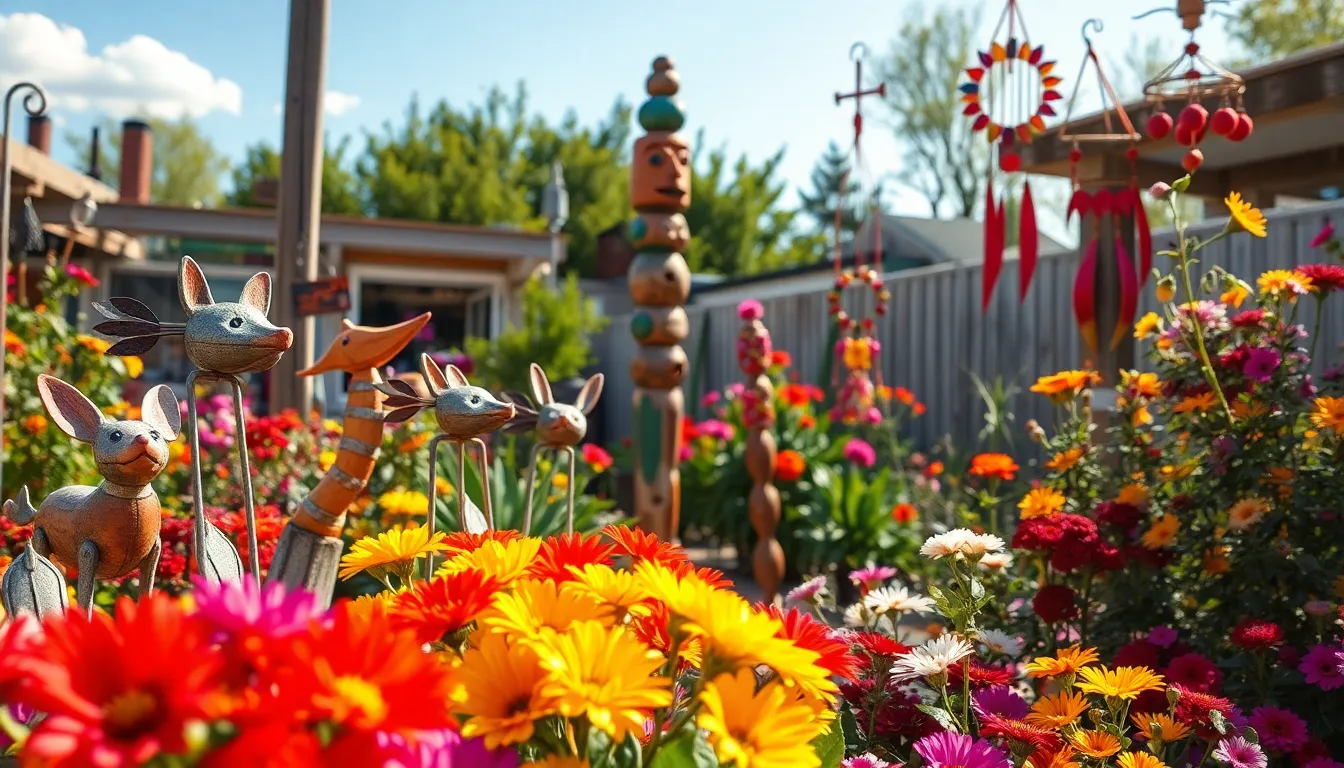
The aesthetic impulse drives gardeners to create spaces that delight the senses. This might involve carefully chosen color palettes, thoughtful arrangements of plant textures, or the strategic placement of focal points to evoke specific emotions. It's about crafting an experience, designing flows and pathways, and playing with light and shadow. The ultimate garden reveal in this context isn't just about showing off a collection of plants, but about presenting a curated vision, a carefully constructed piece of living art that reflects the gardener's unique taste and personality.
This artistic dimension extends to thoughtful landscape design, where elements like hardscaping, water features, and even the strategic use of plants to conceal or reveal certain views become paramount. The garden transitions from a simple plot to a meticulously designed outdoor room, offering both beauty and functionality. It's a testament to human creativity and our innate desire to shape our surroundings into something beautiful, serene, or even dramatic.
The Heart of the Home Garden: Deeper Motivations Revealed
The true depth of why we garden, however, often transcends both pure utility and mere aesthetics. As explored in Cooper's anthology, the motivations of prominent gardeners are as diverse and intricate as the gardens they cultivate. The book delves into a collective garden reveal, showcasing a spectrum of deeply personal impulses that drive individuals to garden obsessively. These reasons touch upon profound connections to nature, self, and community.
Many gardeners are driven by a desire to heal the earth and foster connections with wildlife. Influential figures like Doug Tallamy champion ecological gardening, turning backyards into vital habitats for pollinators, birds, and beneficial insects. This perspective views the garden not just as a personal sanctuary, but as a critical piece of a larger ecosystem, contributing to biodiversity and environmental health. It's a powerful and meaningful extension of nurturing, moving from personal plants to an entire natural community.
For others, the garden offers a unique space for finding moments of presence and fulfillment. The meditative rhythm of planting, weeding, and watering provides an escape from the relentless pace of modern life, fostering mindfulness and reducing stress. The slow, patient unfolding of nature teaches valuable lessons about resilience and impermanence. The garden becomes a therapist, a teacher, and a silent companion.
The joy of gardening also extends to community and connection. Sharing knowledge, exchanging seeds, or simply marveling at a neighbor's flourishing patch strengthens social bonds. Gardeners often form tight-knit communities, united by their shared passion and a common language of growth and renewal. Whether it's the simple pleasures of nurturing something to life, the profound connection to the earth, or the sense of community it fosters, the reasons are deeply personal and ever-evolving. To truly understand the breadth of these passions, exploring individual stories can be incredibly insightful. You can discover more about these varied passions by reading What Drives Gardeners? Unveiling 30 Unique Passions.
Cultivating Your 'Why': Practical Insights for Every Gardener
Understanding the diverse reasons others garden can inspire you to delve deeper into your own motivations. Your personal gardening journey is a continuous garden reveal, uncovering new joys and challenges with each season. How do you integrate these evolving reasons into your own patch of green?
- Reflect on Your Roots: Think back to what first drew you to gardening. Was it the taste of a homegrown tomato, the beauty of a rose, or a desire to connect with nature? Acknowledging your starting point can help you appreciate how far you've come and guide your future endeavors.
- Embrace Hybrid Gardening: Don't feel you have to choose between utility and aesthetics. Many modern gardeners successfully blend food production with ornamental beauty. Integrate edible plants into your flower beds, or design your vegetable patch with an eye for color and texture.
- Observe and Adapt: Your garden is a living entity, and your motivations may change as you gain experience or as life circumstances shift. Pay attention to what brings you the most joy and fulfillment, and adjust your gardening practices accordingly. Perhaps you initially sought only beauty, but now find immense satisfaction in attracting pollinators.
- Share Your Journey: Connecting with other gardeners can be incredibly enriching. Join local garden clubs, participate in online forums, or simply share your harvests and experiences with friends and family. This communal aspect often amplifies the rewards of gardening.
- Learn from the Experts: The personal essays in books like The Roots of My Obsession offer invaluable perspectives. Reading about the enduring passions of notable essayists such as Doug Tallamy, Rosalind Creasy, and Amy Stewart can affirm your own feelings and spark new ideas. For more inspiration on how experts discover and nurture their deepest connections to gardening, check out Expert Gardeners Reveal: Finding Your Deepest Garden Passion.
Ultimately, the garden provides a unique space for self-discovery and continuous learning. It encourages patience, resilience, and a deep appreciation for the natural world. By actively exploring and embracing your own evolving reasons for gardening, you can cultivate a truly meaningful and rewarding experience.
From the primal drive to put food on the table to the sophisticated art of landscape design, and finally to the profound connection with self and nature, the reasons we garden are as rich and varied as the plant kingdom itself. What began as a matter of survival has blossomed into an intricate tapestry of personal expression, ecological stewardship, and spiritual solace. Each gardener embarks on a unique journey, and with every seed planted and every bloom admired, a deeper purpose is allowed to garden reveal itself, transforming not just the earth, but the gardener themselves.
